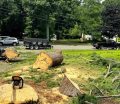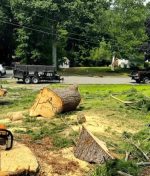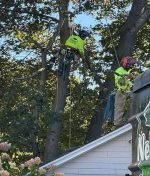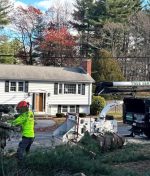
Tree removal is an essential service for maintaining property safety, appearance, and long-term value. Whether a tree is dead, diseased, leaning dangerously, or interfering with structures, removing it properly requires planning, experience, and professional execution. Many homeowners search online for average prices but often find confusing or incomplete information. This guide explains tree removal costs in a clear and realistic way so you can make informed decisions without unexpected expenses.
Tree removal pricing is not fixed because every tree and property is different. Costs depend on size, condition, location, access, and safety risks. Understanding these factors helps homeowners budget correctly and avoid underestimating the complexity of the job.
Average Tree Removal Cost Overview
In general, tree removal costs range from a few hundred dollars to several thousand dollars. Small trees with easy access are the least expensive, while large or hazardous trees cost significantly more due to increased labor, equipment, and risk. Emergency removals and trees near structures typically fall on the higher end of the pricing scale.
Most professional estimates include cutting, controlled lowering, and basic cleanup. However, services such as stump grinding, debris hauling, and emergency response are often priced separately.
Tree Removal Cost by Size and Condition
| Tree Size | Estimated Cost Range | Typical Complexity |
|---|---|---|
| Small (10–30 ft) | $200 – $500 | Low |
| Medium (30–60 ft) | $600 – $1,200 | Moderate |
| Large (60–80 ft) | $1,500 – $3,000 | High |
| Extra Large (80+ ft) | $2,500 – $4,500+ | Very High |
This table reflects average professional pricing and may vary depending on tree condition, location, and access. Larger trees require advanced rigging, multiple crew members, and specialized equipment, which significantly increases overall cost.
Factors That Affect Tree Removal Cost
Tree size alone does not determine pricing. Tree condition is a major factor, as dead or structurally unstable trees can be more dangerous to remove. A leaning or hollow tree requires extra safety precautions, which adds to labor time and cost.
Location is equally important. Trees near homes, garages, fences, roads, or power lines require careful sectional removal rather than simple cutting. Limited access to the backyard or narrow entry points may prevent the use of heavy machinery, increasing manual labor requirements.
Local regulations may also affect cost. Some municipalities require permits before removing certain trees, especially protected or mature trees. Permit fees and inspection requirements can add to the overall expense.
Emergency Tree Removal Costs
Emergency tree removal is usually more expensive than scheduled services. Storm-damaged trees, fallen limbs, or trees posing immediate danger require rapid response, often outside normal business hours. This type of work involves higher risk and urgent mobilization of crews and equipment.
Emergency tree removal costs can range from $1,000 to $5,000 depending on the severity of the situation and time of response. Homeowners insurance may cover emergency removal if the tree damages a covered structure, but documentation and professional assessment are typically required.
Stump Removal and Additional Services
Stump removal is not usually included in standard tree removal pricing. After a tree is cut down, the remaining stump can be an eyesore and a safety hazard. Stump grinding is a separate service that removes the stump below ground level.
Stump removal costs typically range from $100 to $400 depending on stump size and root complexity. Additional services such as wood chipping, log removal, debris hauling, and site cleanup may also be offered at an added cost.
DIY Tree Removal vs Professional Services
While small saplings may seem manageable, removing larger trees without professional training is extremely dangerous. Tree Trimming involves chainsaws, falling debris, unstable wood, and unpredictable movement. Injuries and property damage are common in DIY attempts.
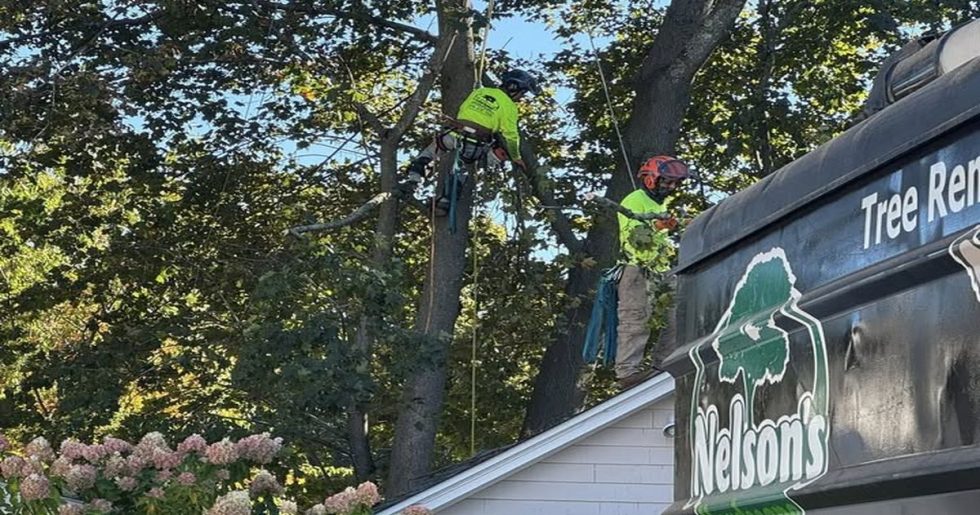
Professional tree services use safety gear, insurance coverage, and proper equipment to complete the job efficiently and safely. Hiring professionals reduces risk and ensures the work complies with local regulations and safety standards.
How Tree Removal Estimates Are Calculated
Professional tree removal companies typically perform on-site evaluations rather than relying on online calculators. During the assessment, they consider tree height, trunk diameter, canopy spread, condition, surrounding structures, and access points.
Labor hours, equipment usage, disposal logistics, and safety risks are factored into the estimate. A reliable company will provide a clear written quote outlining what is included and what services cost extra.
Choosing a Reliable Tree Removal Service
Selecting the right company is critical for both safety and cost control. Homeowners should look for licensed and insured providers with proven experience. Always ask about insurance coverage, certifications, and cleanup responsibilities.
Nelson’s Hardscape & Tree Service offers professional tree removal solutions focused on safety, transparency, and customer satisfaction. Their team evaluates each project carefully to ensure efficient removal without unnecessary costs or risks.
Best Time of Year for Tree Removal
Tree removal can be done year-round, but pricing may vary by season. Late winter and early spring often offer better availability and lower demand. Emergency removals during storm seasons tend to be more expensive due to increased call volume and urgency.
Scheduling non-emergency removals in advance allows homeowners to compare quotes and plan budgets more effectively.
Environmental and Legal Considerations
Tree removal should always be approached responsibly. Some trees are protected by local ordinances, and unauthorized removal may result in fines. Professional services can help determine whether permits are required before work begins.
Environmentally conscious providers may recommend trimming or selective removal when possible to preserve landscape balance and canopy coverage.
Frequently Asked Questions About Tree Removal Cost
How much does it cost to remove a tree near a house
Trees close to structures usually cost more due to precision cutting and safety measures. Prices often range from $1,000 to $3,000 depending on size and access.
Is stump removal included in tree removal
Stump removal is typically a separate service unless specified in the estimate.
Does insurance cover tree removal
Insurance may cover removal if the tree causes damage to a covered structure. Preventive removals are usually not covered.
How long does tree removal take
Most standard tree removals are completed within one day, while larger or more complex projects may take longer.
Can I get a professional consultation
Homeowners interested in professional evaluation can contact Nelson’s Hardscape & Tree Service for guidance on safe and cost-effective tree removal options.
Final Thoughts
Tree removal cost depends on far more than just cutting down a tree. Safety, complexity, location, and professional expertise all play a role in determining the final price. Understanding these factors helps homeowners avoid surprises and make smart decisions.
Hiring experienced professionals ensures the job is completed safely, legally, and efficiently while protecting both your property and investment.
References
United States Forest Service Tree Safety and Management Resources
Massachusetts Department of Conservation and Recreation Urban Forestry Program
Wikipedia Arboriculture and Tree Care Overview