Understanding tree removal costs can be confusing for many homeowners. Prices often vary widely, leaving people unsure why one estimate differs so much from another. The truth is that several important elements influence pricing, and knowing them in advance helps you plan your budget and avoid surprises. This guide explains the most important tree removal cost factors every homeowner should know before scheduling professional service.
At Nelson’s Hardscape & Tree Service, we believe informed homeowners make better decisions. Our team takes time to explain pricing clearly, ensuring safe, efficient, and fair tree removal for every property.
Tree Size and Height
One of the biggest factors affecting tree removal cost is the size of the tree. Taller and wider trees require more labor, specialized equipment, and additional safety measures.
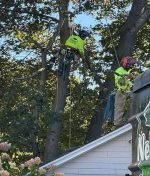
Large trees often need sectional dismantling, cranes, or rigging systems to safely lower limbs. Smaller trees, by contrast, can usually be removed quickly with minimal equipment, resulting in lower overall cost.
Tree Location and Accessibility
Where the tree is located plays a major role in pricing. Trees close to homes, garages, fences, or power lines demand advanced techniques and extra precautions.
Limited access—such as narrow gates, steep slopes, or fenced yards—can also increase labor time. If heavy machinery can’t easily reach the tree, the cost of removal typically rises due to manual cutting and hauling.
Tree Condition and Risk Level
The health of the tree significantly impacts removal costs. Dead, decaying, or storm-damaged trees are more dangerous to remove than healthy ones.
Unstable trees may require immediate emergency tree service, which can increase costs due to urgency, crew availability, and safety risks. However, removing a hazardous tree early often saves homeowners money by preventing property damage.
Required Equipment and Labor
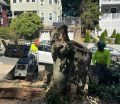
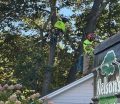
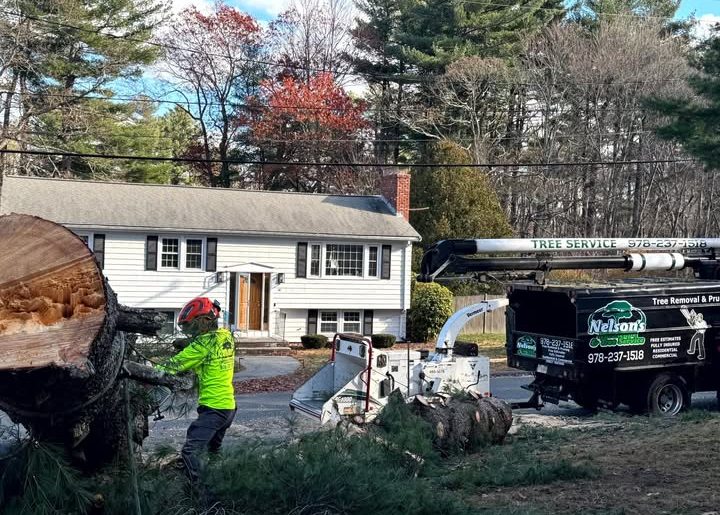
Professional tree removal involves more than chainsaws. Depending on the job, crews may use bucket trucks, cranes, rigging ropes, and wood chippers.
More complex jobs require larger crews and longer work hours, both of which affect pricing. Hiring experienced professionals ensures the job is completed safely and efficiently, even when advanced equipment is necessary.
| Cost Factor | Impact on Price | Why It Matters |
|---|---|---|
| Tree Size | High | More labor and equipment needed |
| Location | Medium to High | Safety and access challenges |
| Tree Condition | Medium | Increased risk during removal |
| Equipment Used | Medium | Specialized machinery costs |
Additional Services That Affect Cost
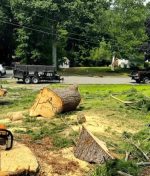
Tree removal doesn’t always end once the trunk is gone. Many homeowners also request stump grinding, debris hauling, or log removal.
Optional services increase the total price but provide a cleaner, safer, and more usable yard. Planning these services in advance often saves money compared to scheduling them separately later.
Expert Tip
Preventive Action Saves Money: Removing a tree before it becomes hazardous is almost always cheaper than emergency removal after storm damage or property loss.
Permits and Local Regulations
In some areas, tree removal may require permits, especially for protected species or large trees. Permit fees and inspection requirements can influence total cost and timeline.
Professional companies are familiar with local regulations and can help homeowners navigate permit requirements efficiently.
Frequently Asked Questions
How much does tree removal usually cost?
Tree removal costs vary widely, typically ranging from a few hundred dollars for small trees to several thousand for large or hazardous trees.
Is tree removal covered by insurance?
Insurance may cover removal if the tree causes damage during a storm. Preventive removals are usually not covered.
Can tree trimming reduce removal costs?
Yes. In some cases, Tree Trimming can extend a tree’s life and delay or eliminate the need for removal.
Should I get multiple estimates?
Absolutely. Comparing estimates helps you understand fair pricing and service scope.