
Trees are beautiful, valuable, and essential parts of our outdoor landscape. They provide shade, improve air quality, enhance property value, and support local ecosystems. However, when a tree becomes unstable, damaged, or hazardous, it can quickly turn from an asset into a danger. Knowing when emergency tree removal is necessary — and what to do when that moment arrives — can protect your home, family, and property from serious harm.
In this comprehensive guide, we’ll explore the signs of a hazardous tree, immediate steps to take, the risks of DIY removal, what professional emergency tree services involve, cost considerations, and tips for preventing future emergencies. Whether you’re dealing with storm damage, root failure, or dangerous limbs over structures, this article will help you make informed decisions and act safely.
What Is Emergency Tree Removal?
Emergency tree removal refers to the urgent cutting and removal of a tree that poses an immediate threat to people, property, utilities, or access points. Unlike scheduled tree maintenance or trimming, emergency tree removal requires fast response because delaying action could result in injury, property damage, or legal liability.
Circumstances that may require emergency response include:
-
A tree that has fallen onto a structure
-
A leaning tree threatening to fall
-
Large branches hanging dangerously
-
Trees damaged by storms or lightning strikes
-
Trees interfering with power lines or blocking roadways
Recognizing the Signs: When Emergency Tree Removal Is Necessary
Not every unhealthy tree needs to be removed immediately, but certain warning signs indicate urgent danger:
1. Leaning or Tilted Trees
Trees that have suddenly started leaning — especially toward your home, garage, or driveway — are unstable. Soil displacement at the base or root damage often causes this issue. Even light winds can cause such trees to snap unexpectedly.
2. Deep Cracks or Splits in the Trunk
If a trunk shows large cracks or splits, the internal structure may be compromised. These fissures can widen and weaken the tree’s stability, increasing the likelihood of collapse.
3. Uprooted or Loose Roots
Roots anchor a tree in the ground. If heavy rain or erosion lifts soil around the base, or roots pull free, the tree can uproot with little warning.
4. Large Hanging or Broken Branches
Thunderstorms, high winds, and ice can break major branches. Large dangling limbs pose serious hazards and should be dealt with immediately.
5. Storm or Lightning Damage
Storms can crack trees, strip bark, or weaken limbs. Lightning strikes can split trees in half, exposing them to future failure.
Immediate Actions to Take Before Professional Help Arrives
When you recognize a dangerous tree situation:
-
Stay Safe First — Keep people and pets at a safe distance.
-
Do Not Approach the Tree — Damaged trees can fall without warning.
-
Keep Vehicles and Outdoor Items Clear — Move cars, lawn furniture, and play equipment away from the hazard zone.
-
Call for Professional Help Immediately — Time can be critical, especially during severe weather.
Remember: Attempting to fix or remove a hazardous tree yourself can be extremely dangerous. Untrained cutting of trees has a high risk of severe injury, property damage, or even fatality.
Why DIY Emergency Tree Removal Is a Bad Idea
It’s understandable to consider saving money by cutting down a dangerous tree yourself, but there are significant risks:
-
Safety Hazards: Trees are heavy and unpredictable. Without proper safety gear and rigging techniques, you are at risk of serious harm.
-
No Professional Equipment: Chainsaws, ropes, cranes, and other tools used by pros are designed for controlled and safe removal.
-
Liability Issues: An improper cut that causes the tree to fall onto a neighbor’s property or utility line can expose you to negligence claims.
-
Legal Restrictions: In many jurisdictions, unsafe removal without permit or arborist evaluation can lead to fines.
Professional arborists are trained and equipped to handle unstable trees safely and efficiently, reducing risk to you and your property.
What Professional Emergency Tree Services Involve
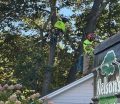
When you call an emergency tree removal company like Nelson’s Hardscape & Tree Service, here’s what typically happens:
1. Rapid Response and Assessment
A certified arborist arrives quickly (often 24/7 availability) to assess the tree’s condition, determine the risks, and create a plan for safe removal.
2. Safe Dismantling
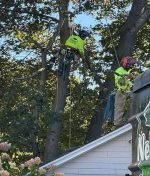
Professionals use specialized equipment — from chainsaws and rigging systems to cranes — to cut parts of the tree safely and in a controlled manner.
3. Debris Cleanup
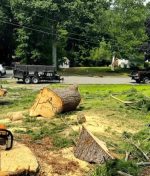
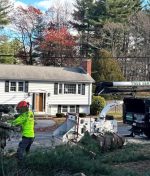
Once the tree is downed, crews remove branches, logs, and debris so your property is clean and safe.
4. Optional Services
-
Stump Grinding: Removing the stump to prevent pests and tripping hazards.
-
Lot Clearing: If the entire area needs restoration after multiple fallen trees.
Emergency Tree Removal Cost: What to Expect
Prices for emergency tree removal vary based on several factors:
| Service Type | Typical Cost Range (USD) |
|---|---|
| Small tree removal (under 30 ft) | $300 – $800 |
| Medium tree removal (30–60 ft) | $800 – $2,000 |
| Large tree removal (over 60 ft) | $2,000 – $5,000+ |
| Emergency same-day removal | $1,500 – $7,000+ |
| Stump removal | $75 – $500 |
Factors that influence the cost include:
-
Tree size and height
-
Proximity to structures or power lines
-
Severity of damage
-
Time and urgency of service
-
Additional cleanup services
Keep in mind that emergency services often cost more than scheduled tree removals because of the immediate response and additional safety measures required.
Insurance and Emergency Tree Removal
Many homeowner insurance policies may cover tree removal if the tree has fallen due to a storm, wind, lightning, fire, or other covered peril — especially if it has damaged your property. However, insurance typically does not cover removal of trees that fell due to neglect. Always review your specific policy or check with your agent.
Preventive Steps to Avoid Future Tree Emergencies
Although you can’t control every storm or event, proactive tree maintenance reduces emergency risks:
-
Schedule Regular Tree Inspections — Certified arborists can detect hidden decay, weak trunks, or root issues.
-
Trim and Prune Trees Seasonally — Removing dead or weak branches strengthens tree structure.
-
Address Risk Trees Early — Trees that are leaning, diseased, or decayed may be safer to remove long before a crisis.
-
Use Professional Tree Care Services — Ongoing care keeps trees healthy and less likely to fail during extreme weather.
FAQs About Emergency Tree Removal
Q1: How fast should I act if a tree is leaning dangerously?
A1: Immediately. Leaning trees near structures or power lines should be evaluated and removed without delay.
Q2: Can I remove a fallen tree on my own?
A2: Unless you’re a trained professional with proper equipment, it’s strongly discouraged for safety reasons.
Q3: What should I do first after a storm knocks down a tree?
A3: Ensure everyone is safe, keep away from power lines, call emergency services if needed, and contact a professional tree service.
Q4: Will insurance pay for emergency tree removal?
A4: Many homeowners insurance policies cover removal if the tree has fallen due to a covered peril and caused damage.
Q5: Do emergency tree services include cleanup?
A5: Yes — professional services typically include debris removal and can offer stump grinding.
Partner with Experts You Can Trust
When an emergency tree situation arises, waiting is not an option. Nelson’s Hardscape & Tree Service provides reliable, experienced emergency tree removal services. Our certified arborists are ready to respond quickly, assess risks, and safely remove hazardous trees. Whether you’re dealing with storm damage, leaning trees, or fallen limbs, we’re here to protect your family and property.
If you or someone you know needs immediate assistance, contact Nelson’s Hardscape & Tree Service for fast, professional emergency tree removal.